The LinkedIn Transformation:
A 3-Step Strategy for Tech Freelancers
Transform your LinkedIn presence from a passive resume into an active client-generating powerhouse through strategic SEO optimization, compelling value proposition design, and engaging content creation.

of recruiters actively use LinkedIn to source tech talent
Inbound Opportunities
This simple strategy moves away from traditional, often ineffective job application methods and instead focuses on creating a powerful inbound marketing funnel directly on the LinkedIn platform.
Core Philosophy
Transform a standard LinkedIn profile into a high-converting landing page that showcases expertise, builds credibility, and consistently generates opportunities without the need for active job hunting.
The approach is broken down into three distinct but interconnected phases: optimizing the profile for LinkedIn's internal search engine (SEO), converting the profile into a client-focused landing page, and boosting visibility through strategic content creation. By systematically implementing these steps, freelancers can significantly increase their visibility, establish themselves as authorities in their niche, and create a sustainable pipeline of high-value projects and job offers.
Step 1: Optimize Your Profile for LinkedIn SEO
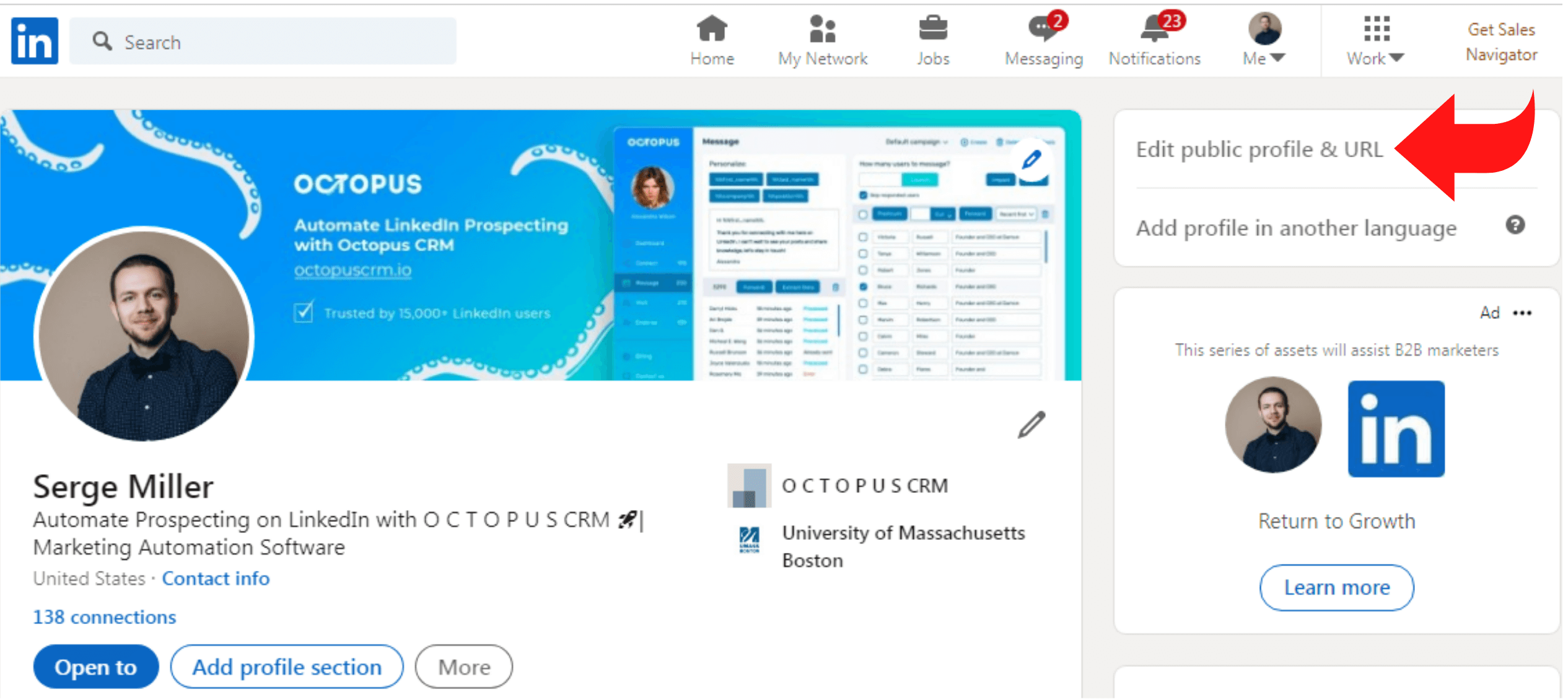
The foundational step in this strategy is to treat your LinkedIn profile as a critical piece of digital real estate that must be discoverable by the platform's primary users: recruiters and potential clients. With research indicating that 90% of recruiters actively use LinkedIn to source tech talent, the importance of appearing at the top of relevant search results cannot be overstated.
Understanding LinkedIn's Search Algorithm
To effectively optimize a profile, it is essential to understand the mechanics of LinkedIn's internal search engine. When a recruiter searches for a specific role, such as "freelance data analyst" or "full stack developer," the platform's algorithm sifts through millions of profiles to present the most relevant results.
The algorithm's primary function is to match the search query with profiles that contain the same or similar keywords. Therefore, the strategic placement of these keywords throughout your profile is the most critical factor in determining your search ranking.
Strategic Keyword Placement
The core of LinkedIn SEO lies in the strategic and consistent placement of relevant keywords across four key areas of your profile. This method ensures that the LinkedIn algorithm has multiple, clear signals to identify your professional expertise and match you with appropriate opportunities.
| Profile Section | Optimization Goal | Example |
|---|---|---|
| Header (Headline) | Incorporate your primary keyword and key specializations. | Instead of "Software Engineer," use "Senior Full Stack Developer | React & Node.js Specialist." |
| Bio (About Section) | Weave keywords into a compelling narrative that showcases your value proposition. | "As a dedicated freelance data analyst with over five years of experience transforming raw data into actionable business intelligence..." |
| Job Titles (Experience) | Align past roles with your target keywords, even if it's not your official title. | If your title was "Software Engineer III" but you did full stack work, list it as "Software Engineer III (Full Stack Developer)." |
| Job Descriptions (Experience) | Detail accomplishments using keywords that describe your skills and technologies. | "Developed and maintained 15+ web applications as a full stack developer, utilizing a tech stack of React, Node.js, and MongoDB." |
Avoiding Common SEO Mistakes
While the strategic use of keywords is essential for LinkedIn SEO, it is equally important to avoid common mistakes that can undermine your efforts and confuse the platform's algorithm. The most significant error is a lack of consistency in keyword usage across your profile.
Critical Mistake to Avoid
Inconsistency in your keyword strategy - using different job titles or descriptors for the same role across various sections of your profile creates confusion for the LinkedIn algorithm and can result in lower search rankings.
Step 2: Transform Your Profile into a Client-Focused Landing Page
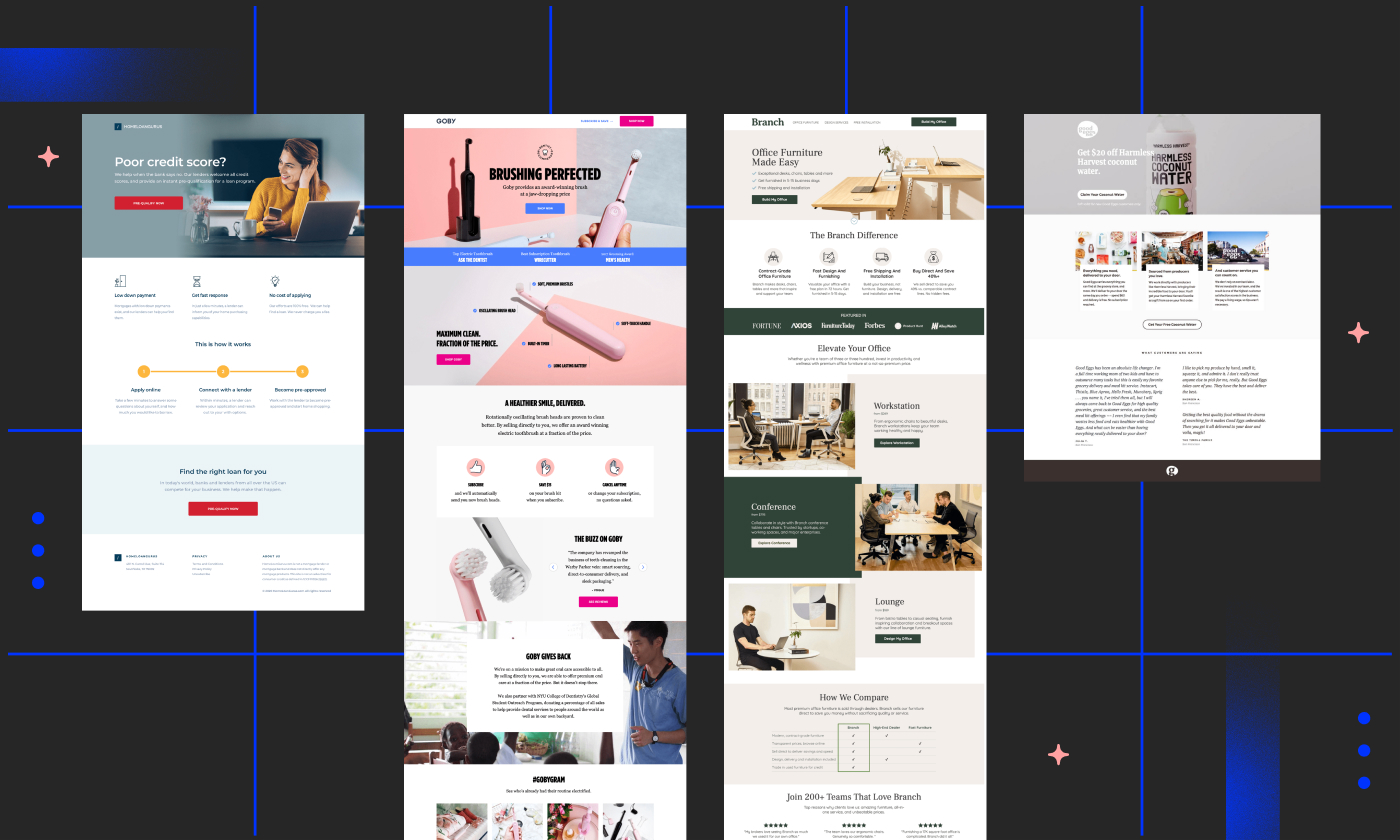
Once your profile is optimized for search and attracting visitors, the next critical step is to convert those visitors into potential clients or job offers. This requires a fundamental shift in mindset from treating your LinkedIn profile as a static online resume to viewing it as a dynamic, client-focused landing page.
Shifting from a Resume to a Value Proposition
The traditional approach to a LinkedIn profile often mirrors a resume, focusing on a chronological list of job duties and responsibilities. However, to attract high-value clients and projects, it is far more effective to frame your profile around a clear and compelling value proposition.
❌ Traditional Approach
- • Lists past responsibilities
- • Focuses on historical tasks
- • Answers "What did you do?"
✅ Value-Driven Approach
- • Showcases achievements
- • Focuses on problem-solving
- • Answers "What can you do for me?"
Showcasing Impact with Measurable Metrics
Key Insight
Vague descriptions of your work, such as "improved sales performance" or "built efficient dashboards," lack the impact and credibility that specific numbers provide. Recruiters and clients are looking for tangible evidence of your abilities, and metrics are the most effective way to provide that proof.
Before & After Examples
❌ Before: Vague Responsibility
"Responsible for building dashboards"
✅ After: Quantified Achievement
"Built and deployed 15 interactive dashboards that enabled the sales team to track key performance indicators, resulting in a 20% increase in quarterly sales."
Enhancing Credibility with Portfolio Link and Referrals
Portfolio Integration
The link in your LinkedIn profile's header should direct visitors to a curated portfolio that showcases your best work. This could be a personal website, GitHub repository, or Behance profile.
- • Professional project showcase
- • Detailed technology descriptions
- • Problem-solving case studies
Social Proof
Referrals provide third-party validation of your skills, work ethic, and professionalism, which can be far more persuasive than your own claims.
- • Manager recommendations
- • Client testimonials
- • Colleague endorsements
Step 3: Boost Visibility with Engaging LinkedIn Posts
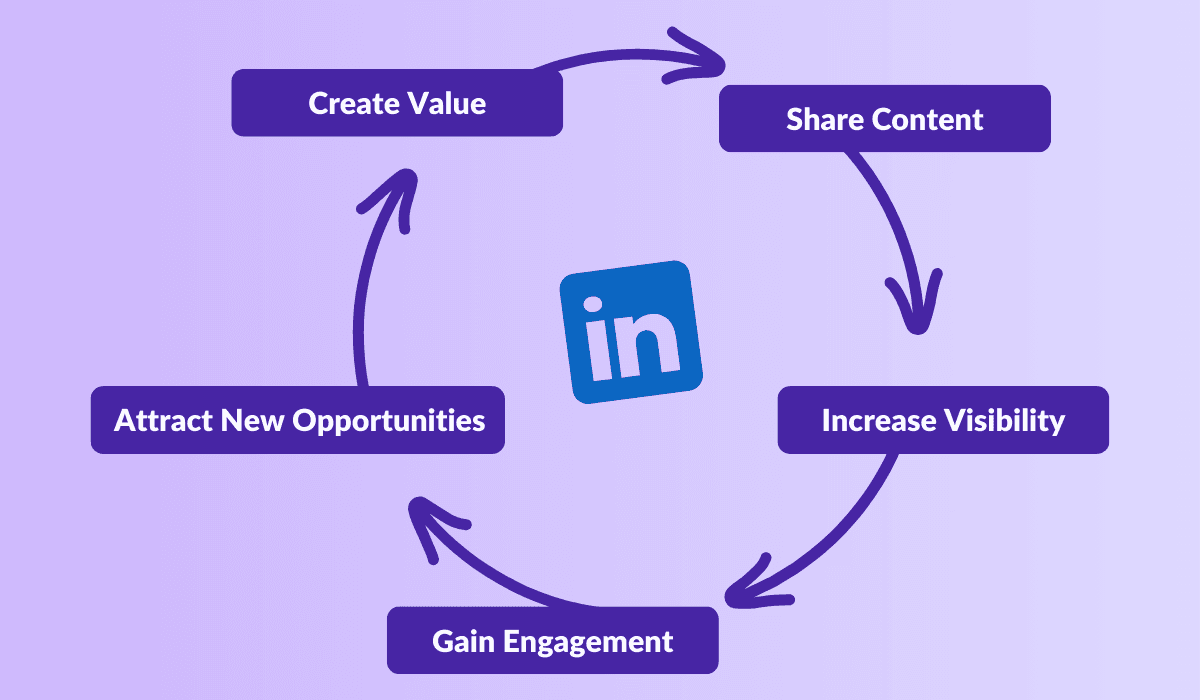
The final step in this comprehensive LinkedIn strategy is to actively engage with the platform's community by creating and sharing valuable content. While a well-optimized and persuasive profile is essential for converting visitors, it is the consistent creation of engaging posts that will significantly boost your visibility and establish you as a thought leader in your field.
The Role of Content in Establishing Authority
Creating and sharing valuable content on LinkedIn is one of the most effective ways to build your personal brand and establish yourself as an authority in your field. When you consistently provide insights, share your expertise, and offer solutions to common problems, you demonstrate a deep understanding of your industry.
Demonstrate Expertise
Share insights and solutions to industry problems
Build Trust
Consistently provide value to your network
Become a Resource
Position yourself as a go-to industry expert
A Framework for Creating Viral Posts
To maximize the impact of your content, it is helpful to follow a proven framework for creating engaging and shareable posts. This framework provides a simple yet effective formula for crafting posts that have the potential to go viral.
| Component | Purpose | Example |
|---|---|---|
| Hook | To immediately grab attention and stop the scroll. | "My six-step storytelling framework is unbeatable." |
| Rehook | To build on the hook's promise and entice the reader to continue. | "If you cringe at writing stories on LinkedIn, read this." |
| Body | To deliver on the promise by providing valuable, actionable content. | (The detailed six steps of the storytelling framework.) |
| Call to Action (CTA) | To encourage engagement and guide the reader's next step. | "Repost this if you found it useful." |
Hook Strategy
The hook is the opening line of your post, and it must be compelling enough to make someone stop and want to read more. In the fast-scrolling environment of a LinkedIn feed, you have only a few seconds to capture a reader's attention.
- • Provocative questions that challenge assumptions
- • Bold statements that create curiosity
- • Impressive statistics that demand attention
Call to Action
The CTA is the closing line of your post, designed to encourage engagement and guide the reader on what to do next. A clear and compelling CTA can significantly increase the number of likes, comments, and shares your post receives.
- • Encourage sharing if content is valuable
- • Ask questions to spark discussion
- • Invite comments to boost engagement
Example of a High-Engagement Post Structure
"My six-step storytelling framework is unbeatable."
"If you cringe at writing stories on LinkedIn, read this."
(Here, you would detail the six steps of your storytelling framework, providing clear and actionable advice for each step.)
Example structure for the body content:
- 1. Start with a relatable problem
- 2. Introduce the solution framework
- 3. Break down each step clearly
- 4. Provide real-world examples
- 5. Share common pitfalls to avoid
- 6. Summarize key takeaways
"Repost this if you found it useful."
Why This Structure Works
This structure follows a logical progression that guides the reader from attention to interest to value and finally to action. The hook is bold and intriguing, the rehook addresses a common problem, the body delivers on the promise of value, and the CTA encourages engagement.
The Complete Transformation
By systematically implementing these three steps—LinkedIn SEO optimization, landing page transformation, and strategic content creation—tech freelancers can transform their LinkedIn presence from a passive resume into an active client-generating powerhouse. This comprehensive approach creates a sustainable pipeline of opportunities while establishing you as a recognized authority in your field.
Optimize for LinkedIn's search algorithm
Transform profile into high-converting landing page
Build thought leadership through content